
Everything You Need To Know About Medicare
Medicare is a federal health insurance program that provides coverage to eligible individuals age 65 and older and certain younger people with disabilities.
Act on two or more of the offers below for the best results!
Medicare coverage includes a range of medical services and supplies, including hospitalization, doctor visits, prescription drugs, preventive care, and home health care.
1. Medicare Coverage Explained
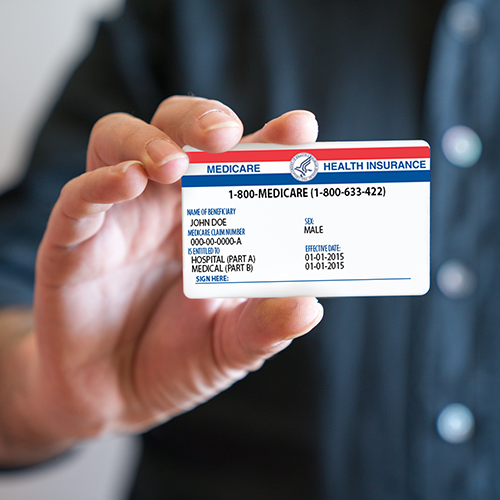
Medicare is made up of four parts: Part A, Part B, Part C, and Part D. Each part covers different services and has different rules and costs. You can get Medicare coverage through Original Medicare (Parts A and B), or a Medicare Advantage Plan (Part C). You can also get prescription drug coverage through a stand-alone Prescription Drug Plan (Part D) or as part of a Medicare Advantage Plan or Original Medicare.
Medicare does not cover everything, and there may be some out-of-pocket costs for services not covered by Medicare. However, for many people, Medicare provides an essential source of health coverage. It is important to understand how Medicare works and what it covers in order to make the most of this important program. Continue reading to learn more about this important benefit.
Next Up… What Does Medicare Cover?
Medicare provides coverage for a range of medical services, including doctor visits, hospital stays, and prescription drugs. Medicare provides coverage for a range of medical services, including doctor visits, hospital stays, and prescription drugs.
It should be noted, however, that Medicare does not cover all medical expenses. For example, it does not cover long-term care or dental care. In addition, there are some services that are covered only partially by Medicare.
2. What Does Medicare Cover?

As a result, individuals who rely on Medicare for their health insurance coverage may need to supplement their coverage with another insurance policy.
Below is a comprehensive list of the various parts.
Medicare Part A (Hospital Insurance) covers inpatient hospital care, skilled nursing facility care, hospice care, and home health care.
Medicare Part B (Medical Insurance) covers doctor visits, preventive services, durable medical equipment, mental health services, and some home health care.
Medicare Part C (Medicare Advantage) is an alternative to Original Medicare that includes all of the benefits of Parts A and B, plus additional benefits such as routine vision, dental, and prescription drug coverage. Medicare Advantage Plans are offered by private insurance companies approved by Medicare.
Medicare Part D (Prescription Drug Coverage) helps cover the cost of prescription drugs. Prescription drug coverage is available through stand-alone Prescription Drug Plans or as part of a Medicare Advantage Plan.
Next Up… What Does Medicare Cost?
The cost of Medicare depends on which parts you have and how often you use them. Most people who have Medicare pay monthly premiums for Part B and, if they choose to enroll in a Medicare Advantage Plan or a Prescription Drug Plan, they pay additional premiums for those plans.
In addition to monthly premiums, you may also have annual deductibles and copayments or coinsurance for the services you receive.
3. What Does Medicare Cost?

Original Medicare—Part A (hospital insurance) and Part B (medical insurance)—has no monthly premium for most people. Starting in 2020, the standard Part B premium is $144.60 per month. Some people who get Social Security benefits will pay less than this amount. The Part B deductible is $198 starting in 2020. After the deductible is met, you typically pay 20% of the Medicare-approved amount for most doctor services, outpatient therapy, and durable medical equipment.
You also pay your coinsurance for some clinical research studies and hospital stays as well as other out-of-pocket costs. However, If you have a Health Savings Account (HSA)-compatible high-deductible health plan (HDHP), you may be able to make tax-free contributions to your HSA to help pay your share of these costs.
Next Up… How Do I Get Medicare Coverage?
Medicare open enrollment is a period of time when people who are turning 65 or are eligible for Medicare can compare plans and decide which one is best for them. It typically lasts from October 15 to December 7.
During this time, people with Medicare can make changes to their coverage, such as switching to a different Medicare Advantage plan or signing up for a Part D prescription drug plan.4. How Do I Get Medicare Coverage?

You can also switch from Original Medicare to a Medicare Advantage Plan or vice versa. Making changes during Medicare open enrollment is the only time people with Medicare can do so without having to go through a medical underwriting process. This means that people with preexisting conditions can enroll in a new plan without having to worry about being denied coverage or being charged higher premiums.
Every year, Medicare Open Enrollment gives seniors the opportunity to review their coverage and make changes if necessary. During this time, seniors can shop around for a new Medicare plan that best meets their needs. Medicare open enrollment is an important time for people with Medicare to review their coverage and make sure they have the coverage they need.
Next Up… What Is Medigap Insurance?
Medigap insurance is a type of supplemental insurance that can help to cover the costs of Medicare deductibles and co-pays. Medigap Insurance is the same as Medicare Advantage Plan.
Medicare Advantage is a type of health insurance that private companies approved by Medicare offer and is available to anyone who is enrolled in Medicare. Medicare Advantage plans provide all of the benefits of Original Medicare (Parts A and B) and may also include extra benefits, such as prescription drug coverage, vision, and dental care.
5. What Is Medigap Insurance?

What Does Medicare Advantage (Medigap) Cover?
Medicare Advantage Plans are a type of private health insurance that can help pay some of the out-of-pocket costs not covered by Original Medicare, such as copayments, coinsurance, and deductibles. Medigap plans are offered by private insurance companies and are not part of the federal Medicare program. Medigap plans cover a variety of out-of-pocket costs not covered by Original Medicare.
What Does Medicare Advantage Cost?
The cost of Medigap insurance depends on the plan you choose and the insurance company you choose to buy it from. Some states have laws that regulate the cost of Medigap plans. Medigap plans have a monthly premium in addition to the Part B premium. The cost of the plan depends on the benefits it covers and the insurance company that offers it. Some Medigap plans also have an annual deductible. That’s why it is important to shop around.
Next Up… Not Eligible For Medicare? See If You Qualify For For Medicaid
Medicaid is a state and federal health insurance program for low-income adults, children, pregnant women, seniors, and people with disabilities. Medicaid programs vary from state to state, but all states must provide coverage for certain medical services, including doctor visits, hospitalization, and family planning.
In addition, Medicaid is the largest source of funding for medical and health-related services for low-income people in the United States.
6. What Is Medicaid?

To be eligible for Medicaid, you must meet certain income and asset requirements. Medicaid is available to U.S. citizens and legal immigrants who meet these requirements.
What Does Medicaid Cover?
Medicaid covers a wide range of medical services, including doctor visits, hospitalization, prescription drugs, preventive care, and long-term care. Medicaid programs vary from state to state, so coverage may vary depending on where you live.
What Does Medicaid Cost?
There is no cost for Medicaid coverage. However, some states charge small monthly premiums for certain optional benefits, such as dental care or eyeglasses.
How Do I Get Medicaid Coverage?
You can apply for Medicaid through your state Medicaid office. You can also contact the Department of Health and Human Services for more information.
This site is not a substitute for professional medical advice. Always talk to your doctor about your medical condition and treatment options. This site is not intended to diagnose or treat any medical condition. Do not delay seeking medical treatment because of something you have read on this site.