Top Treatments for Psoriasis
If you’re one of the more than 7 million Americans with psoriasis, you know that this chronic skin condition can be both physically and emotionally draining. The good news is that there are a variety of treatments available to help ease the symptoms of psoriasis. But first, act on two or more of the offers below for the best results:
Psoriasis is a chronic skin condition that causes dry, scaly patches to form on the skin. This can lead to red, scaly patches on the skin that are often itchy and uncomfortable. The exact cause of psoriasis is unknown, but it is thought to be related to an overactive immune system.
1. What Is Psoriasis?
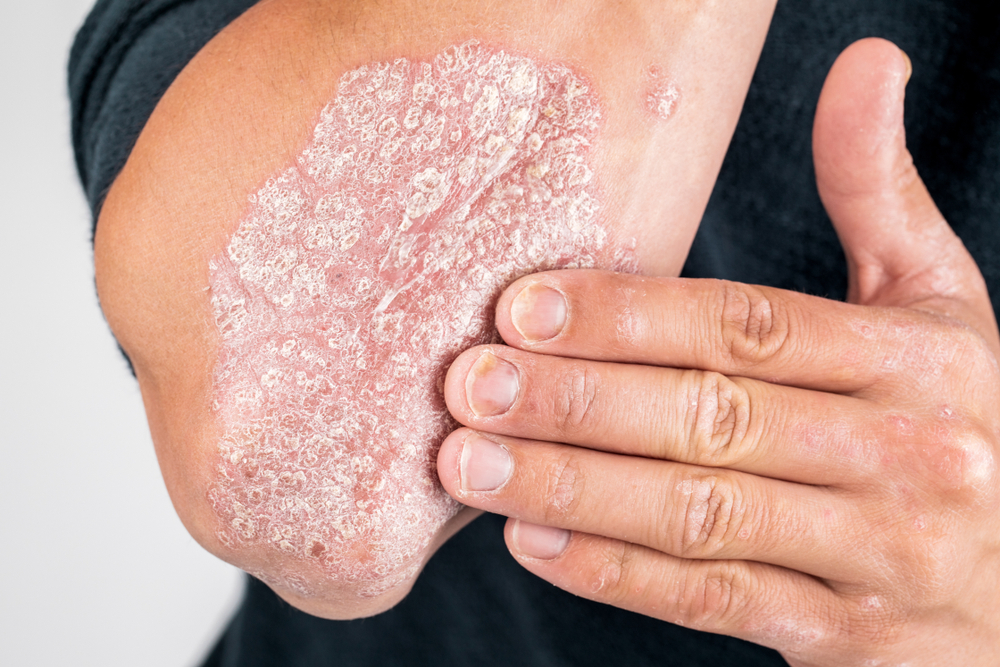
While there is no cure for psoriasis, treatments can help to control the symptoms and improve your quality of life. However, many people with psoriasis feel embarrassed or ashamed of their symptoms, and may not want to discuss the condition with their doctor. It’s important to remember that psoriasis is not contagious and that your doctor is there to help you find relief from your symptoms.
If you’re living with psoriasis, don’t be afraid to speak with your doctor about treatment options. With their help, you can find a way to manage your condition and improve your quality of life. They will be able to confirm the diagnosis and develop a treatment plan that is right for you. Treatments for psoriasis can include topical creams, oral medications, light therapy, and lifestyle changes. In some cases, a combination of treatments may be necessary to achieve the best results. No matter what treatment plan you ultimately choose, it is important to remember that you are not alone in this journey.
Next Up… Speak To Your Doctor
The best psoriasis treatment may vary from person to person, as each case is unique. Some people may only need a topical treatment applied to the skin, while others may require systemic therapy, which involves taking medication by mouth or injecting it into the bloodstream.
No matter what type of treatment you decide on, it’s important to work closely with your doctor to find the best solution for you. With the right treatment plan, you can keep psoriasis under control and enjoy life to the fullest.
2. Speak With Your Doctor

Some Common Topical for Psoriasis Include:
There is no cure for psoriasis, but there are many treatments that can help reduce the symptoms. Here are some of the most effective treatments for psoriasis: Topical treatments are usually the first line of defense against psoriasis. These include creams, ointments, and gels that are applied directly to the affected areas of skin. Topical treatments can help to reduce inflammation, itchiness, and redness.
Topical corticosteroids: These anti-inflammatory medications are available in both over-the-counter (OTC) and prescription forms. They come in creams, ointments, lotions, and gels. These are medications applied to the skin to reduce inflammation. They come in different strengths, from mild to strong.
Topical retinoids: These are vitamin A derivatives that can help to reduce inflammation and psoriasis lesions. These medications are available in both OTC and prescription forms.
Calcipotriene: This is a Vitamin D derivative that can be used to treat psoriasis. It is available in both OTC and prescription forms.
Tacrolimus: This medication is an immunosuppressant that is used to treat psoriasis. It comes in a cream or ointment form and is only available by prescription.
Next Up… The Best Treatments That Work Throughout The Body
More moderate cases may require the use of light therapy, either alone or in combination with topical treatments. However, for severe cases of psoriasis, systemic treatments are often necessary. These include oral or injected medications that help to reduce inflammation throughout the body.
Common systemic treatments for psoriasis include methotrexate, cyclosporine, and biologic agents. While these treatments are generally effective, they can also cause serious side effects, so it is important to discuss the risks and benefits with a doctor before starting any treatment regimen.
3. The Best Systemic Treatments

These treatments can help to reduce inflammation and psoriasis lesions:
Anthralin: This medication is used to treat psoriasis and psoriatic arthritis. It is available in both cream and ointment forms and is only available by prescription.
Oral corticosteroids: These are anti-inflammatory medications that are taken by mouth. They are typically only used for short periods of time due to the risk of side effects.
Methotrexate: This is an immunosuppressant that is used to treat psoriasis and psoriatic arthritis. It is taken in pill form or injected into the bloodstream. It is only available by prescription.
Cyclosporine: This immunosuppressant is used to treat psoriasis and psoriatic arthritis. It is taken in pill form or injected into the bloodstream. It is only available by prescription.
Biologics: These are injectable medications that work by targeting specific parts of the immune system. They are used to treat psoriasis and psoriatic arthritis. They are only available by prescription.
Phototherapy: This treatment involves exposing the skin to ultraviolet (UV) light. This can be done either with natural sunlight or artificial UV light sources. Phototherapy can help to reduce inflammation and psoriasis lesions.
Next Up… Alternative Psoriasis Treatments
There are a number of alternative treatments for psoriasis, a chronic skin condition that causes red, scaly patches to form on the skin. While there is no cure for psoriasis, some alternative treatments may help to improve the signs and symptoms of the condition.
These include plant-based therapies such as aloe vera, Oregon grape, and turmeric. Additionally, some people find relief by soaking in Dead Sea salt water or applying Dead Sea mud to the affected areas. Light therapy, acupuncture, and massage may also provide some benefits.
4. Alternative Psoriasis Treatments

In addition to the treatments above, many alternative therapies have been used to great effect to treat psoriasis. These include acupuncture, meditation, and massage:
Dead sea salt: This is a natural psoriasis treatment that can be used in baths or as a topical treatment.
Plant-based treatments: There are many plant-based psoriasis treatments that can be effective, such as aloe vera gel, tea tree oil, and turmeric.
Diet: Some evidence suggests that certain dietary changes may help improve psoriasis symptoms. These include avoiding triggers foods, such as gluten, and consuming more anti-inflammatory foods, such as omega-3 fatty acids.
Stress reduction: Stress can worsen psoriasis symptoms, so stress reduction techniques may help to improve them. These include yoga, meditation, and deep breathing exercises.
Topical application of capsaicin: This is the active ingredient in chili peppers that can help to reduce inflammation and itchiness. It is available in cream form and is only available by prescription.
Acupuncture: This traditional Chinese medicine technique involves the insertion of thin needles into the skin at specific points. There is some evidence suggesting that it may help improve psoriasis symptoms.
Healthy lifestyle: Eating a healthy diet, getting enough exercise, and avoiding smoking can help reduce your symptoms and improve your overall health. Lifestyle changes can also help to reduce the symptoms of psoriasis. These include stress management, quitting smoking, and getting regular exercise.
Conclusion:
If you have psoriasis, it’s important to work with your doctor to find a treatment plan that works for you. With the right treatment, you can keep psoriasis under control and enjoy life to the fullest. If you have psoriasis, many treatments can help to reduce your symptoms. Be sure to talk to your doctor about which treatment is right for you.